You Only Retire Once. Make Sure the Plan Is Ready.
As retirement gets closer, the questions change. We help pre-retirees understand income, taxes, Social Security, investments, healthcare, and withdrawal strategy before making the leap.
When Can I Retire?
This is often the most important retirement question. The answer depends on more than your account balance. It comes from your expected expenses, income sources, savings, healthcare needs, taxes, and where you plan to live. We help you put those pieces together so retirement is based on a plan, not a guess.
Social Security and You
Social Security is more than a monthly check. When you claim, how your spouse claims, and how your other income is structured can all affect your retirement plan. We help compare claiming strategies and show how Social Security fits alongside pensions, retirement accounts, taxable investments, and other sources of income.
Retirement Pitfalls to Avoid
Retirement has several hidden traps that are easy to miss. Will your income trigger higher Medicare premiums through IRMAA? Do RMDs (required minimum distributions) need to be planned for? Can you still contribute to a Roth IRA if you are working while drawing Social Security? These questions may seem small, but they can affect your taxes, healthcare costs, and long-term withdrawal strategy. We help identify the issues before they become expensive surprises.
Why Choose Us?
Retirement planning does not stop the day you retire. Your income, taxes, Medicare premiums, RMDs, Roth conversion opportunities, and withdrawal strategy may need to be reviewed over time. We help monitor those moving parts and explain your options in plain English. When a question comes up, you should have a real person you can talk to — not just a website, calculator, or call center.
Pre-Retiree Frequently Asked Questions
Here are some common questions we hear about financial planning for pre-retirees.
When should I take Social Security?
There are several ways to claim Social Security, and the right answer depends on your situation. The major options are:
Claim at Full Retirement Age, which is 67 for most people.
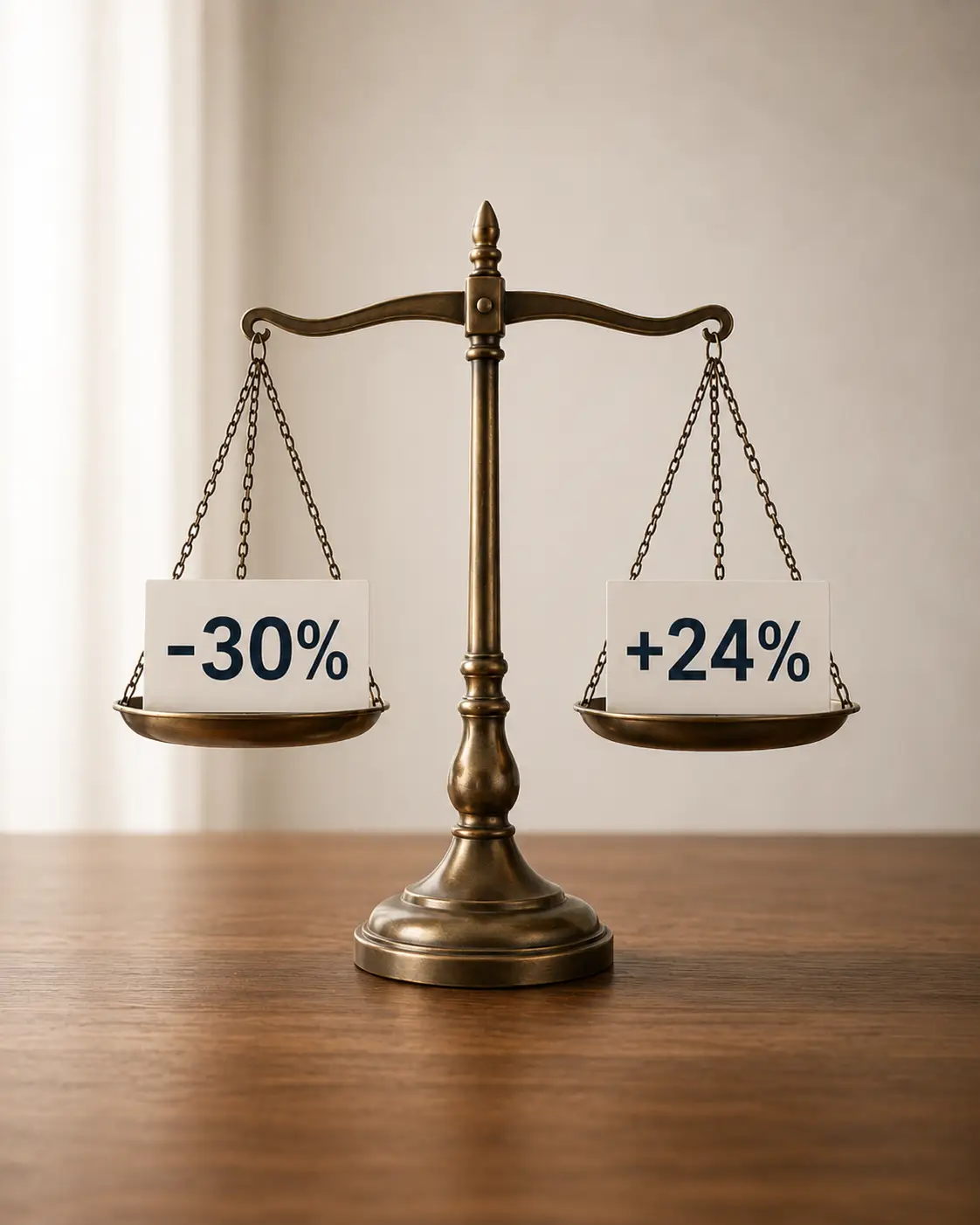
Claim early, which can reduce your benefit by as much as 30% for life if you claim at 62.
Delay claiming, which can increase your benefit by as much as 24% if you wait until 70.
For married couples, one spouse may claim earlier while the other delays.
There are other strategies as well, especially when marriage history, work history, survivor benefits, disability, health, and other retirement income are involved. Social Security is simple to start, but not always simple to optimize.
Should I do a Roth conversion before retirement?
A Roth conversion means moving money from a pre-tax retirement account, such as a Traditional IRA or 401(k), into a Roth IRA. The amount converted is generally treated as ordinary income in the year of the conversion, meaning you pay taxes now in exchange for the potential of tax-free Roth withdrawals later.
The main concern with pre-tax retirement accounts is future required minimum distributions, or RMDs. Starting at age 73 for many retirees, you are required to withdraw a certain amount from those accounts each year and pay taxes on the withdrawal. That extra income can affect your tax bracket, Social Security taxation, and even Medicare costs through IRMAA.
Roth IRAs do not have lifetime RMDs for the original owner. That does not mean everyone should do a Roth conversion. For many Americans, there is nothing wrong with taking RMDs. A conversion may make more sense when you are in a temporarily lower tax bracket, have several years before RMDs begin, or want more tax flexibility later in retirement.
Roth conversions have tax rules and timing considerations, including five-year rules that can affect certain withdrawals. Because the details depend on age, account history, and how the money is withdrawn, Roth conversion planning is usually better done early rather than under pressure.
How much money do I need to retire?
Most retirement planning follows the same basic process, even though the final number is different for each person.
First, estimate your retirement expenses. This should include housing, insurance, healthcare costs, taxes, travel, debt payments, and the cost of living where you plan to live. A good plan should also account for inflation.
Second, identify your reliable income sources. This may include Social Security, pensions, annuities, or other similar income sources. It is also important to know which income sources increase with inflation, and which do not.
Third, compare your expected expenses to your reliable income. If your income fully covers your expenses, retirement may be much easier to support. Most people, however, will have a gap between what they need and what their guaranteed or reliable income provides.
Finally, calculate how much savings are needed to fill that gap. Different strategies, such as the 4% rule, bucket strategy, guardrails strategy, or annuities, may produce different answers. The goal is not just to find a big number. The goal is to build a retirement income plan that can reasonably support your life.
How do I turn my retirement savings into income?
There are several ways to turn retirement savings into income. A good retirement income plan may use a combination of strategies, depending on your needs, risk tolerance, taxes, and desire for flexibility.
Common options include selling a portion of your investments each year to pay expenses, using individual bonds or bond ladders for more predictable income, purchasing an annuity, or holding dividend-paying stocks. Each option has tradeoffs. Some provide more flexibility, while others provide more predictable income.
Taxes also matter. Withdrawals from Traditional IRAs, 401(k)s, and other pre-tax retirement accounts are generally taxed as ordinary income. Roth accounts and taxable brokerage accounts may be treated differently, which is why the order and timing of withdrawals can be just as important as the investments themselves.
Should I pay off my mortgage before retirement?
A mortgage is a unique debt because it is often large, long-lasting, and tied directly to your monthly cash flow. Many people pay off their mortgage early in retirement, but the right timing can vary widely.
Your retirement plan should account for your mortgage either way. If the mortgage continues into retirement, it increases the income you need each month. If it is paid off, your required cash flow may drop significantly, which can affect withdrawals, taxes, and how much savings you need.
Important factors include your interest rate, remaining loan term, monthly payment, cash reserves, investment strategy, and whether you plan to stay in the home. In general, a higher-interest mortgage is more important to pay down than a low-interest mortgage, but the answer still depends on your income, expenses, and liquidity needs.
There is no single rule for everyone. The real rule is that your mortgage plan must be part of your retirement plan.
Start Your Financial Journey Today
Ready to take your finances to the next level? Contact us for a personalized consultation tailored to your needs.